Senior leaders with stuck, analytical teams: I help you turn innovation from a mandate into a practice.
Less stagnation. Faster decisions. More ideas that actually ship — and a culture where bold thinking becomes the norm, not the exception.
I’m Melissa Dinwiddie, founder of Creative Sandbox Solutions™ and creator of the Create the Impossible™ framework. I spent close to a decade working inside teams at tech companies — watching exactly where analytical cultures break down under the pressure to innovate. That’s where this framework came from. And it’s why it works where conventional consulting doesn’t.

Senior leaders with stuck, analytical teams: I help you turn innovation from a mandate into a practice.
Less stagnation. Faster decisions. More ideas that actually ship — and a culture where bold thinking becomes the norm, not the exception.
I’m Melissa Dinwiddie, founder of Creative Sandbox Solutions™ and creator of the Create the Impossible™ framework. I spent close to a decade working inside teams at tech companies — watching exactly where analytical cultures break down under the pressure to innovate. That’s where this framework came from. And it’s why it works where conventional consulting doesn’t.












The business case first.
Here’s what most innovation initiatives get wrong: they treat the problem as a people problem.
Your team isn’t creative enough. Your culture isn’t bold enough. Your people just need more inspiration.
That’s not a people problem.
That’s an infrastructure
problem.
What’s missing isn’t motivation — it’s a
repeatable structure
for how innovation actually happens in the margins of work that’s already underway. Build that infrastructure, and the creativity that was always there finally has somewhere to go.
I built the Create the Impossible™ framework specifically for teams that are convinced they’re not creative — engineers, researchers, data scientists, product managers. People who live by evidence and process, and who are deeply skeptical of anything that smells like a creativity exercise. That skepticism is reasonable.
What I’ve developed is different from “creativity training”: a
behavioral practice
that builds innovation capability
without pulling people out
of the work they’re already doing.

No day-long offsite that evaporates by Tuesday. No inspiration-porn keynote that leaves no trace by the following week. Just small, structured experiments that compound into real culture change — and that your managers can sustain after I’m gone.
The framework was forged in the work itself. For close to a decade I worked with teams at
Meta, Google, Uber, and Salesforce
— designing and running programs that changed how analytical, skeptical people actually behaved at work. Not just what they knew, but what they did on Tuesday morning. That body of work became the foundation for everything I now bring to innovation culture engagements.
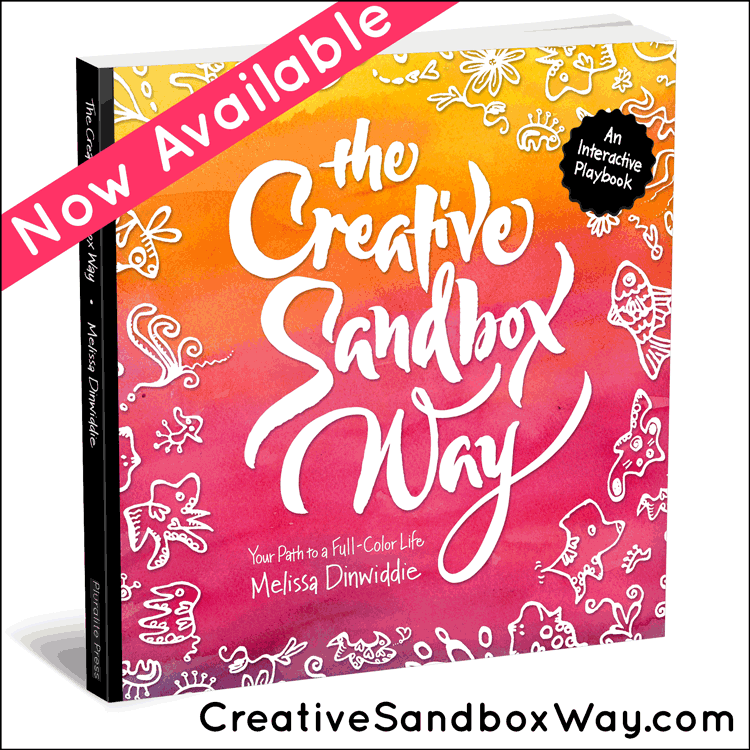
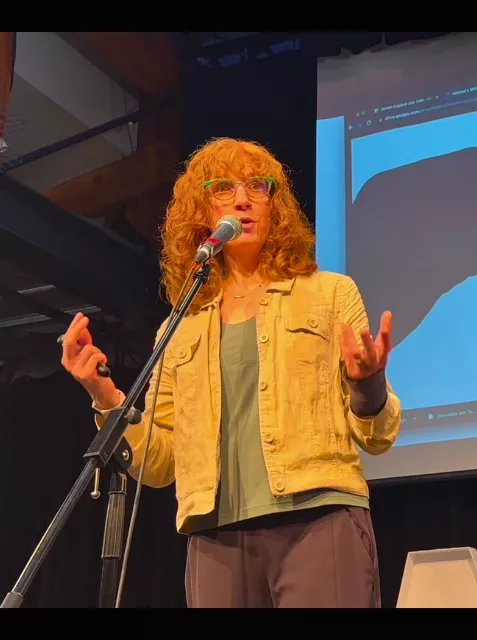
I've since delivered keynotes and closing addresses for HR, project management, and leadership audiences nationwide — including closing out NHRMA 2025 for 400 HR professionals. And I’ve condensed the methodology into Innovation at Work: 52 Micro-Experiments for Brave Leaders Who Want to Unstick Teams, Spark Ideas, and Build What's Next, published March 2026.
The through-line in all of it: helping leaders stop performing innovation and start practicing it.
Testimonials
The unconventional background
behind the framework
Most innovation consultants come from business school or McKinsey. My path was
a little different — and it’s exactly why this works.
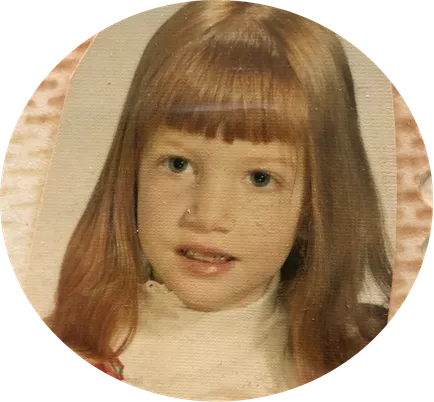
Silicon Valley Native
The insider view on what innovation culture actually costs
Growing up and building a career here means I’ve watched organizations get innovation right and watched them perform it — from close range, over decades. I know the difference between a culture that innovates and a culture that has an innovation initiative. That distinction is the entire ballgame, and it’s visible before you’re five minutes into a team meeting.
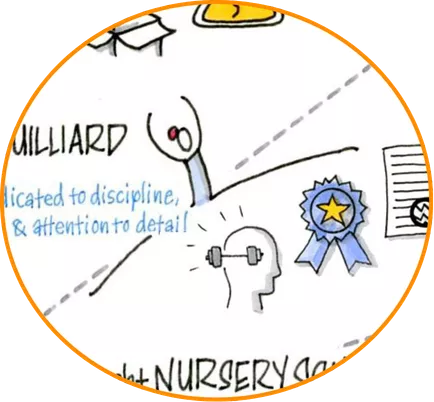
Studied Dance at Julliard
Your team can learn to create under pressure, too
Juilliard doesn’t produce artists who wait for inspiration. It produces performers who show up and create anyway, on deadline, under pressure, regardless of how they feel. That’s the same muscle your team needs — and it’s trainable.
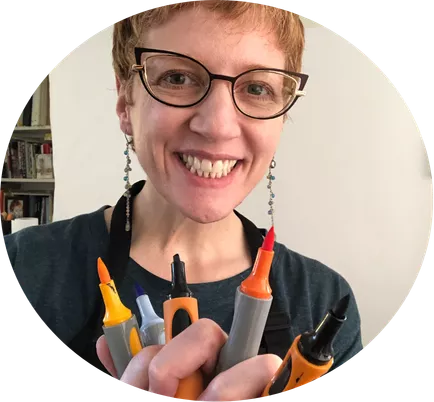
15-Year Professional Artist
What it actually takes to make something new, repeatedly
I built a sustainable creative career inside Silicon Valley, which means I understand creative risk from the inside: the resistance, the false starts, the moment you have to ship something before it’s perfect. This isn’t theory about creativity. It’s a practitioner’s methodology.
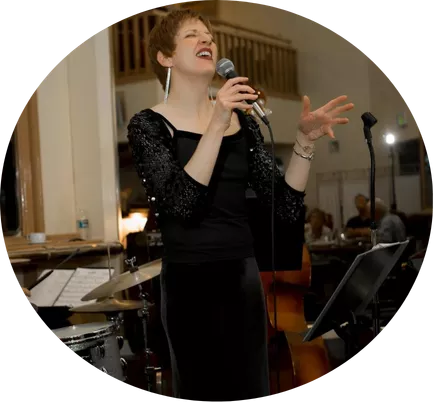
Jazz Singer & Improv Performer
Structure is what makes freedom possible
Jazz and improv are innovation disciplines in disguise. You practice structure so deeply that you can play freely inside it. That’s what psychological safety looks like in a team context — and it’s teachable. Most teams have neither the structure nor the safety. That’s where we start.
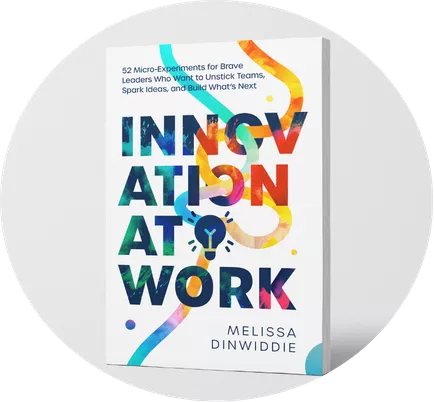
Author, Innovation at Work
The work continues after I leave the room
A shelf of copies makes a team different. 52 micro-experiments built on the Create the Impossible™ framework — designed so your managers can run them without me in the room. One copy makes a reader smarter.
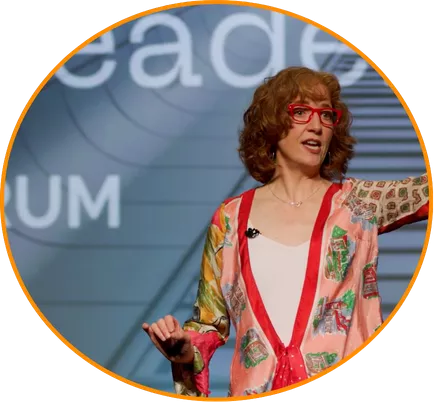
Speaker and Facilitator
I know how to make this land with audiences who didn't ask to be there
Analytical audiences don’t want to be charmed. They want to be convinced. I’ve presented to audiences ranging from 20 to 400 — across HR, project management, and tech — and I know how to meet skeptical people exactly where they are, and move them.
What changes when we work together
Whatever the engagement, the outcomes are consistent:
Your team stops self-editing before ideas make it to the meeting. Hard problems that have been circling for months get unstuck — not because everyone suddenly got braver, but because
the structure finally makes it safe to try.
Managers who’ve been handed an innovation directive and didn’t know what to do with it have
a practice they own and can run
independently.
And the shift doesn’t evaporate when the engagement ends, because it was never about
the consultant in the room.
I’m based in Mountain View, California — in the heart of Silicon Valley, where I’ve spent
my whole life watching what happens when organizations get innovation right, and what
happens when they don’t.
A little more Melissa, if you’re curious
Office mates?
Two shelter cats, Jack Jack and Vinnie. Jack Jack makes regular Zoom appearances and has strong opinions about being on camera.
Latest creative obsession?
Cajon. When chronic wrist pain kept me from playing double bass and ukulele and bass, I turned to percussion!
Why this work?
Nothing gives me more satisfaction than watching someone who insisted they weren't creative completely blow everyone away.
How would you describe yourself in 3 words?
Heart-centered multi-faceted creative
Ready to Change?
If your team is stuck and you’re ready to change that:
You'll leave with clarity on your biggest bottleneck and a realistic picture of what it would take to fix it — whether we work together or not.
Prefer to send a note first? Use the contact form.

Let’s Connect