
Description
Get the innovation toolkit built from years of facilitating breakthrough sessions with analytical teams at companies like Google, Meta, and Salesforce — plus an exclusive video training series you won’t find on Amazon.
What’s Inside the Book:
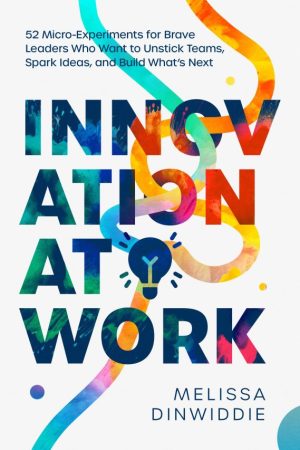
Innovation at Work: 52 Micro-Experiments for Brave Leaders Who Want to Unstick Teams, Spark Ideas, and Build What’s Next gives you 52 ready-to-run experiments that fit into your existing meetings — no day-long workshops, no disrupting operations. Built on the Create the Impossible™ framework (Play Hard, Make Crap, Learn Fast), each experiment takes 5–20 minutes and targets a specific innovation challenge: perfectionism paralysis, siloed teams, stalled creativity, or inconsistent innovation habits.
Includes 90-minute crisis bundles for when your team is stuck right now, quick-reference charts for choosing the right experiment by situation, and facilitation scripts so you can lead with confidence.
What’s in the Exclusive Video Series:
The “Innovation Leader’s Edge” — a 5-part video series available only with this edition:
🎬 Video 1: How to Facilitate Your First Micro-Experiment — A step-by-step walkthrough so you can lead your first experiment in your next team meeting with confidence.
🎬 Video 2: How to Pitch Micro-Experiments to Skeptical Leadership — The business case, the language, and an internal pitch template you can customize. Get buy-in without a fight.
🎬 Video 3: How to Read the Room — Drawing on 20+ years of performance and facilitation experience, learn to sense when your team is ready to push forward and when they need a different approach.
🎬 Video 4: What to Do When an Experiment Fails (and Why That’s the Point) — How to turn a rocky first attempt into the momentum that keeps your team experimenting.
🎬 Video 5: From One Experiment to an Innovation Culture — The 90-Day Path — How individual experiments compound into lasting cultural change, and what to focus on at each stage.
Who This Is For:
Directors and VPs leading innovation, product, or cross-functional teams — especially those tired of “innovation theater” and ready for tools that actually work inside real-world constraints.