Hey there, innovation champions!
Most HR leaders I talk to have a complicated relationship with AI right now.
They know they’re supposed to embrace it. They’ve read the articles, sat through the webinars, maybe even experimented with a few tools. But underneath the professional curiosity, there’s often a quieter anxiety: What if using AI more means losing what makes us good at this work?
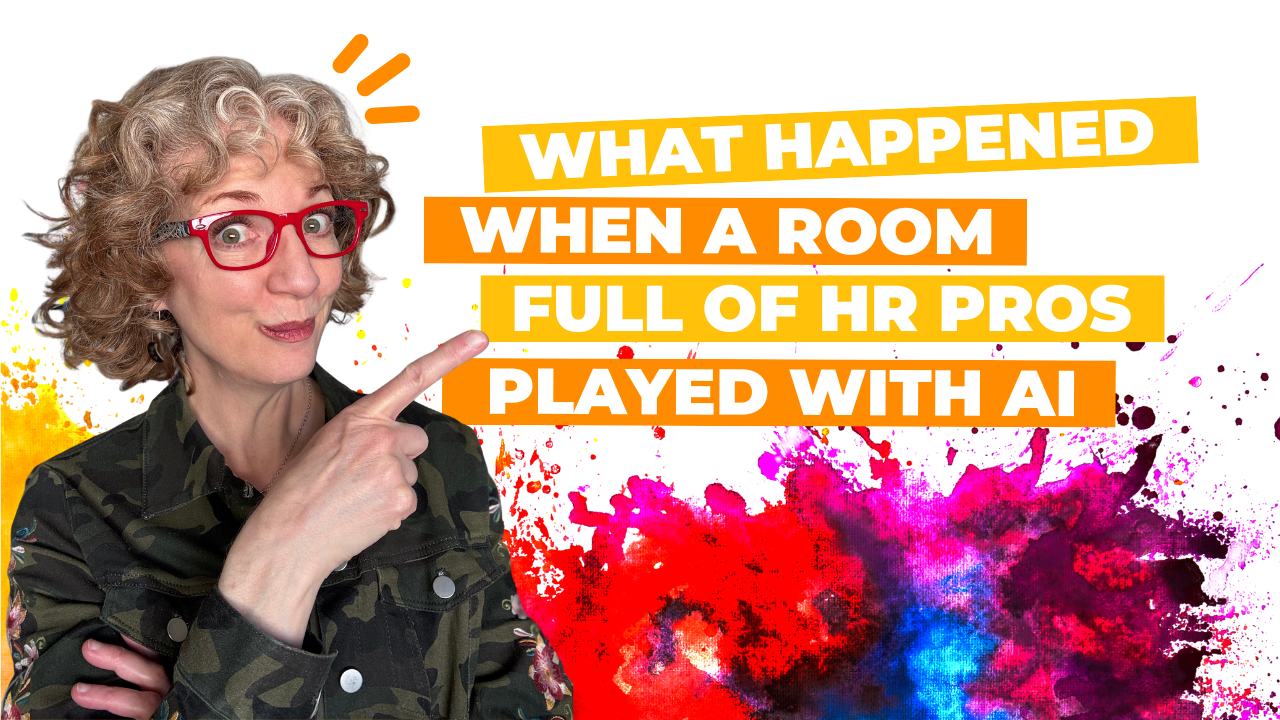
That tension — efficiency vs. empathy, automation vs. human judgment — is exactly what I walked into last Thursday with a group of HR professionals from New River Valley SHRM.
And what happened surprised even me.
The Experiment That Wasn’t About AI (Until It Was)
I opened the session with two activities that, on the surface, had nothing to do with AI tools or workflows.
In the first, small groups told collaborative stories — one word at a time. Simple enough. Then I introduced a twist: an “AI voice” that would periodically throw unexpected words into the mix, disrupting the group’s narrative flow.
In the second, groups imagined completely fantastical ways an ordinary object could make their HR roles easier — then identified a potential ethical concern or bias risk hidden in their own idea.
I’ve run versions of these experiments before, and I usually know what insight is coming. When groups resist the AI voice throwing curveballs into their story, the narrative falls apart. When they lean into it, the story flows. The lesson tends to be about the value of flexibility and letting go of control.
So I thought I knew what this group would discover.
I was wrong.
The Moment That Stopped Me Cold
After the first activity, one participant shared her group’s experience. The AI voice hadn’t just made the storytelling flow — it had made it more creative. The unexpected interruptions had broken open something. The curveballs weren’t obstacles to work around; they were the thing that unlocked ideas the group hadn’t known they were capable of.
She wasn’t alone. Several participants nodded. The conversation that followed was one of those moments facilitators live for — the room doing the work itself, arriving somewhere none of us had mapped out in advance.
Here’s what struck me about that insight: these were HR professionals, not artists or improv comedians. They weren’t people who’d describe themselves as “creative types.” And yet, given the right conditions — a structured container, permission to play, and a framework that made experimentation feel safe — they accessed something genuinely generative.
That’s not a happy accident. That’s the mechanism.
Why “Play” Isn’t the Soft Part — It’s the Strategic Part
There’s a version of what I do that sounds like a fun icebreaker. I understand why. Words like “play” and “creativity” can trigger a certain skepticism in analytical, results-oriented professionals — the suspicion that we’re about to waste 90 minutes on something that won’t move the needle.
But here’s what the data from this session actually showed:
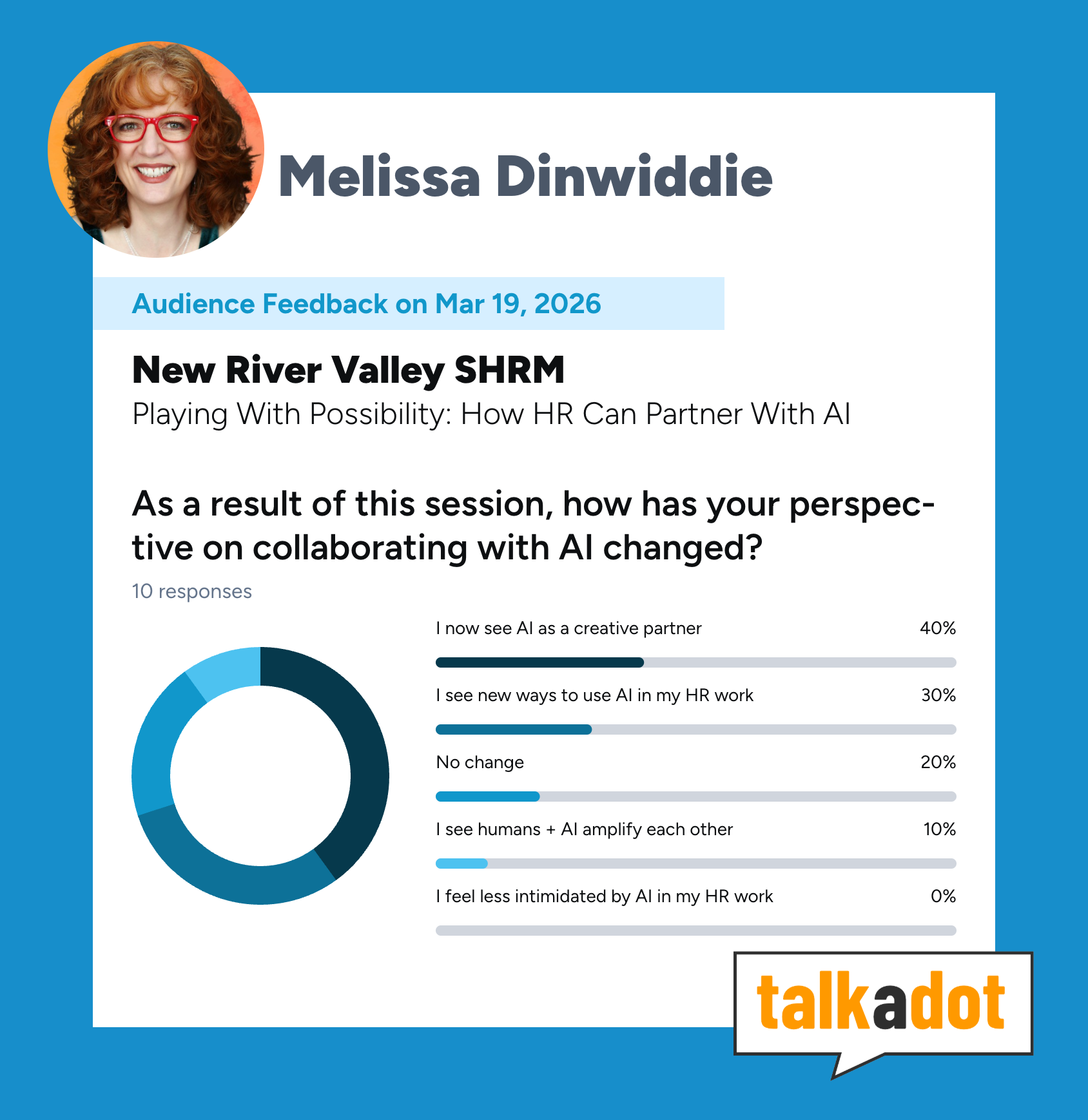
80% of respondents shifted their perspective on AI — now seeing it as a creative partner, discovering new ways to use it in their HR work, or recognizing how humans and AI can amplify each other.
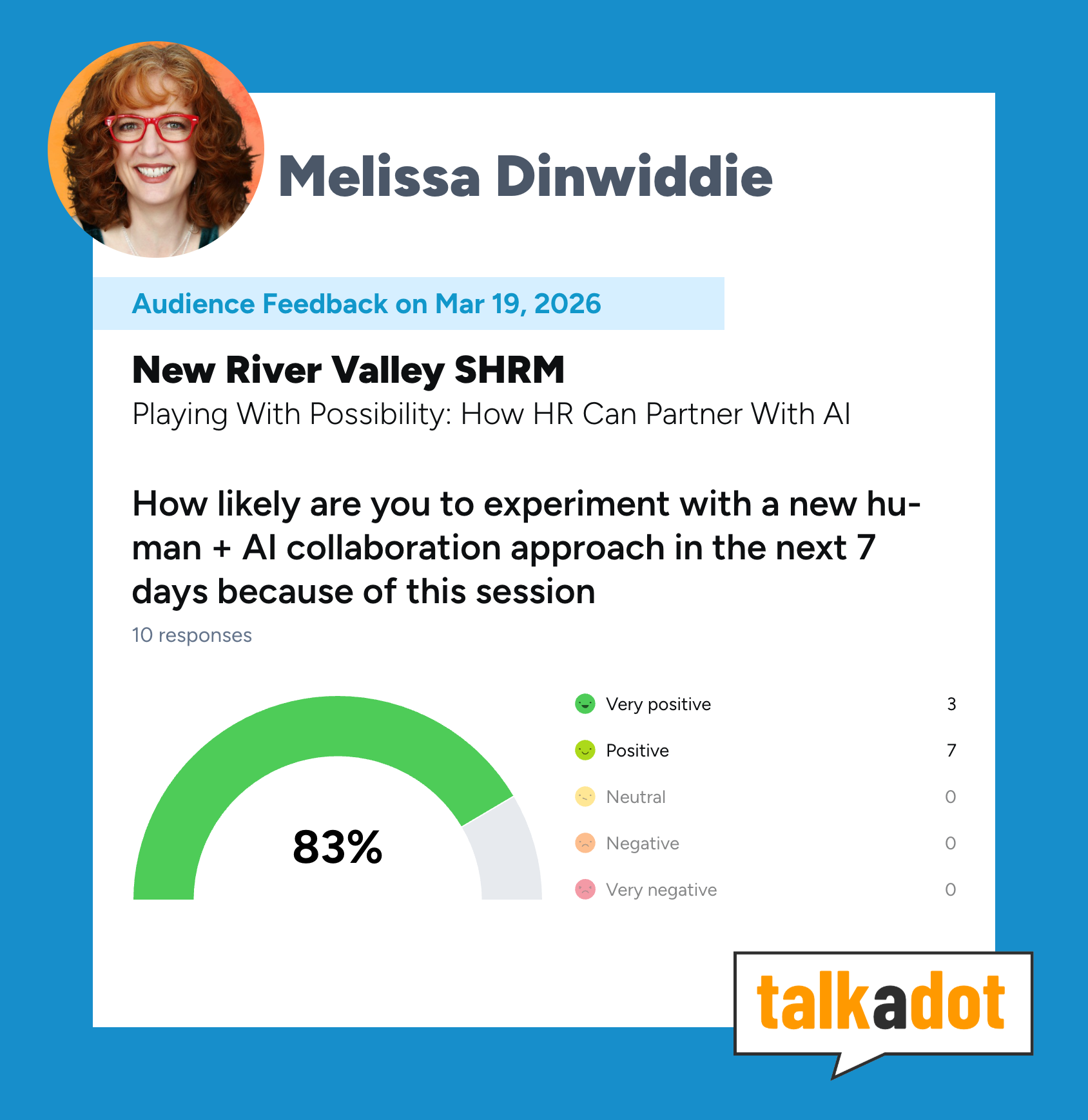
83% said they’re likely to experiment with a new human + AI collaboration approach within the next 7 days because of the session.
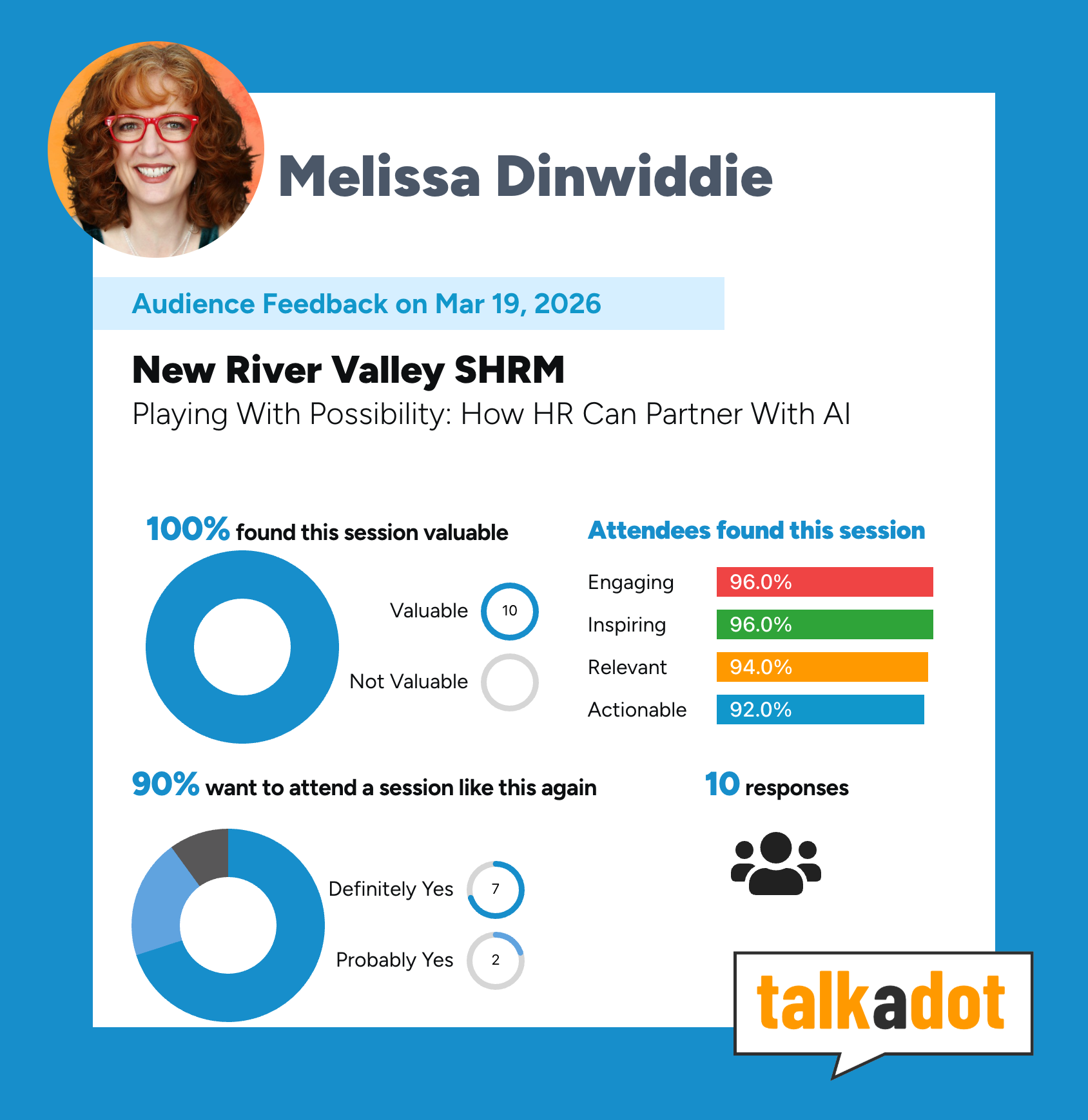
And 100% found the session valuable. 96% called it engaging and inspiring. 92% said it was actionable.
This is what I mean when I say the play is the point. The activities aren’t warm-up exercises before the real learning starts. They are the learning — structured to produce specific insights about how we relate to uncertainty, collaboration, and creative risk.
What This Means for Your Team (or Your Conference)
The HR professionals in that session weren’t struggling with a creativity problem. They were struggling with a permission problem — the unspoken organizational belief that experimentation is risky, that imperfection is unprofessional, that “trying something and seeing what happens” isn’t a legitimate work strategy.
Sound familiar?
It’s the same dynamic I see in engineering teams, project management organizations, research departments — anywhere analytical rigor is the cultural norm and creative risk-taking feels like a liability.
The good news: the shift doesn’t require a personality transplant or a multi-month change initiative. It requires the right conditions and a framework that makes innovation feel systematic rather than scary.
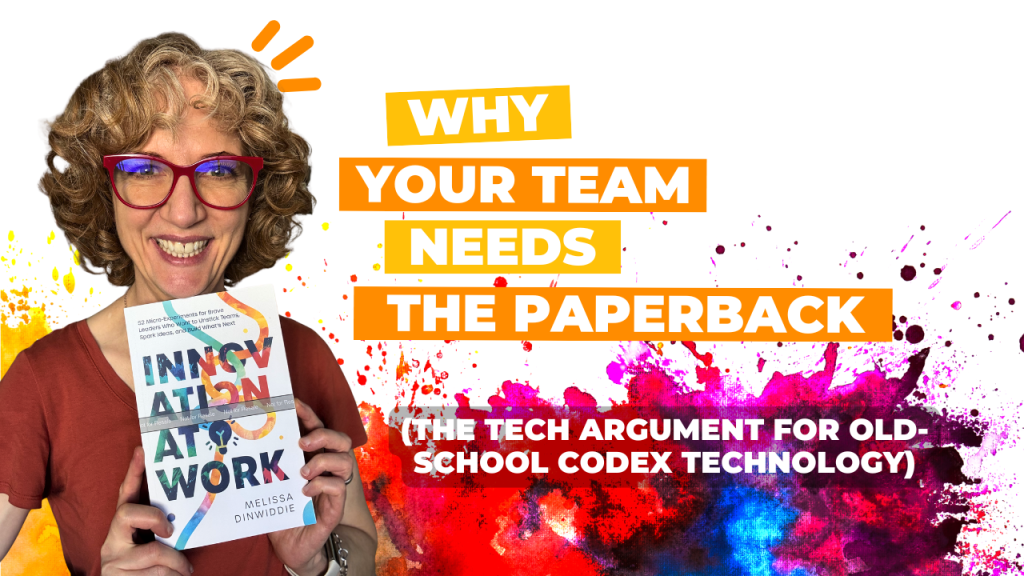
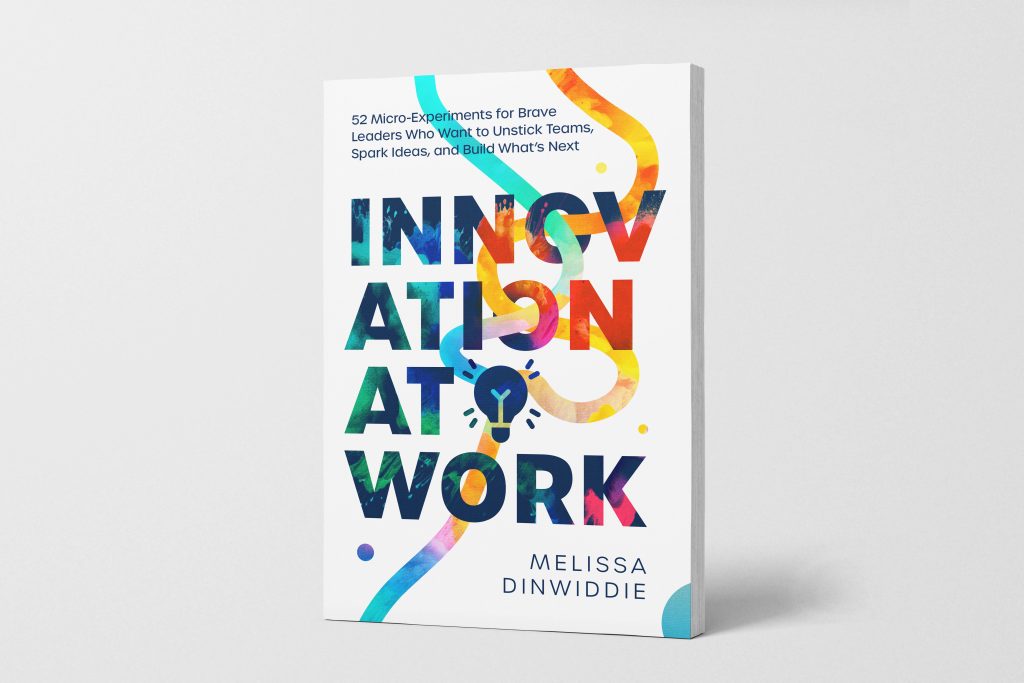
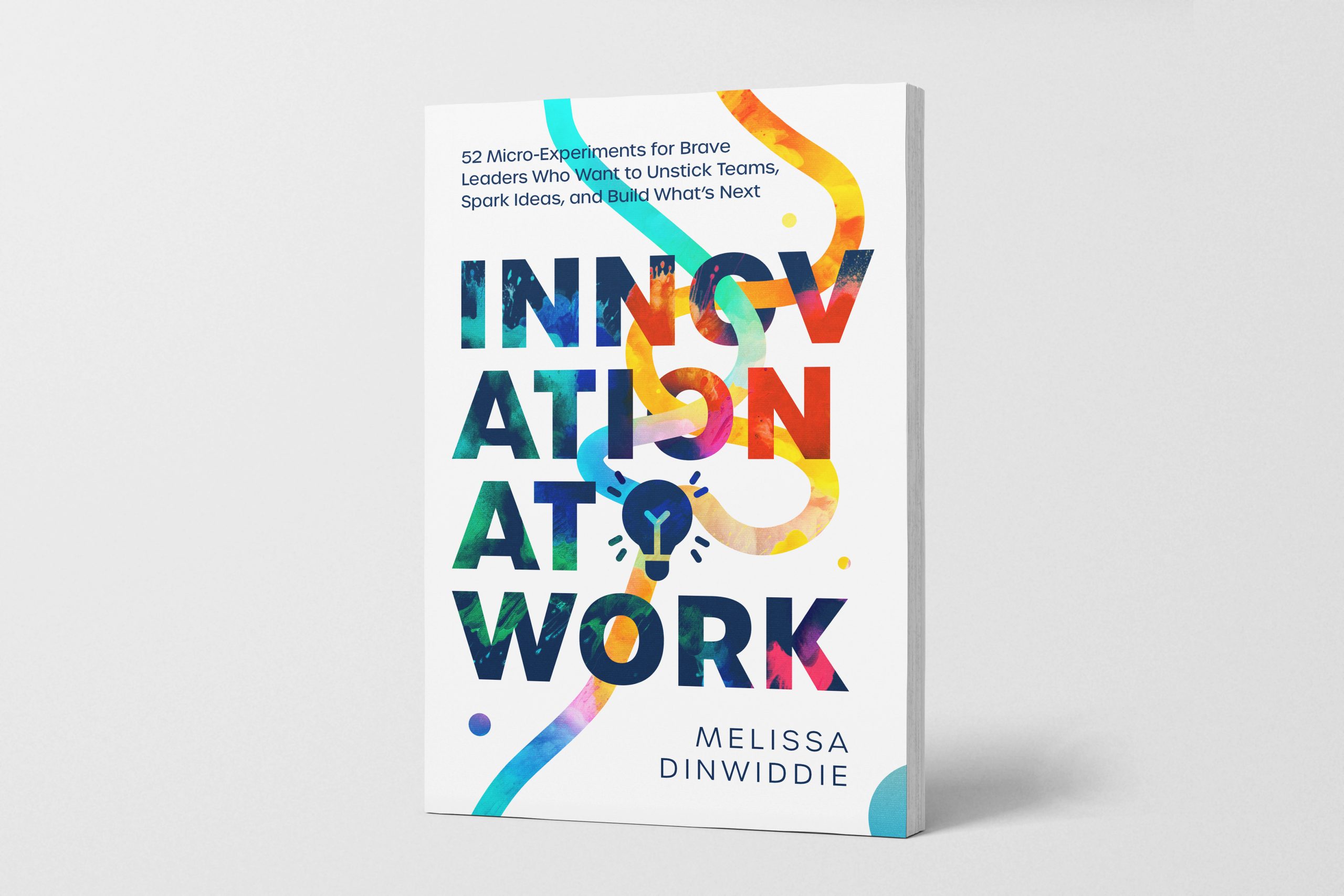
That’s exactly what my Create the Impossible™ approach is designed to do — and what Innovation at Work: 52 Micro-Experiments for Brave Leaders Who Want to Unstick Teams, Spark Ideas, and Build What’s Next was written to put directly in your hands.
Want to Take This Further?
If you’re curious what it looks like to bring this kind of experience to your team or conference, the easiest next step is the book.
Innovation at Work gives you 52 structured micro-experiments — ready to use with your team, no facilitation experience required. It’s the same philosophy as the SHRM session, packaged for leaders who want to build innovation capability without waiting for the perfect conditions.
Download a free preview here →
And if you’re thinking about a keynote or workshop for your organization or upcoming conference — one that delivers the kind of measurable shift you just read about — I’d love to have a conversation.
Schedule a 30-minute Innovation Strategy Session →